





A Missed Payment Isn't the End of the Road
Life moves fast, and sometimes a car payment slips through the cracks. Maybe payday shifted, maybe an unexpected bill showed up first. Either way, it happens to plenty of responsible people.
Our finance team at Kool Chevrolet in Grand Rapids fields these calls more often than you'd guess. The good news? A missed payment usually isn't the crisis it feels like in the moment. So what actually happens if a payment gets missed, and how much damage can it really do to an auto loan?
Key Takeaways
- A grace period usually kicks in first, but a late fee follows quickly if the payment still isn't made.
- Even one missed payment can be reported to credit bureaus and knock down a credit score.
- Repossession is technically possible after a single missed payment, though most lenders wait until an account is 30 to 90 days behind.
- Reaching out to the lender early — before they reach out first — is the single best move.
- Refinancing or a short-term payment plan can often bring a delinquent account back to good standing.

What Happens If You Miss a Car Payment?
Most lenders build in a short grace period, so missing the due date by a day or two often costs nothing. But once that window closes, a late fee is tacked on, and the account officially enters delinquency.
That grace period is typically 10 to 15 days. The late fee itself is usually a flat charge or around 5% of the payment, so it adds up fast if it happens more than once.
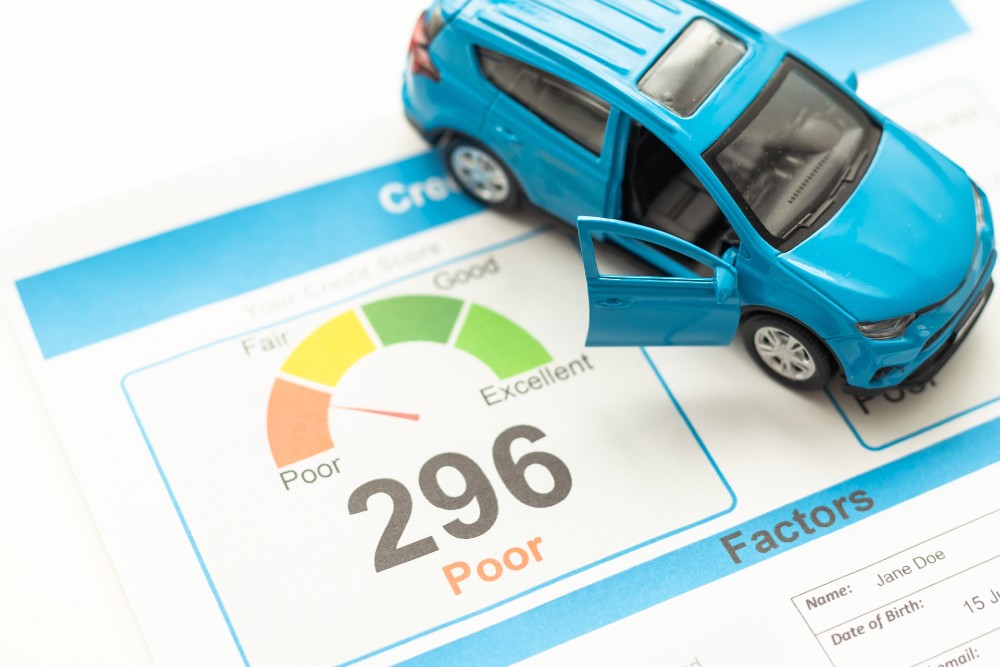
The real turning point comes around the 30-day mark. That's usually when a lender starts reporting the missed payment to the credit bureaus, and a credit score can drop noticeably from just one late mark. That kind of hit can stick around on a credit report for years, making everything from a future loan to an apartment lease a little harder to land.
On top of the credit impact, some lenders start restricting online payments or begin calling to collect what's owed. It's annoying, but it's usually a sign they'd rather work something out than repossess a vehicle.
What Usually Happens, in Order
- Grace period passes — the payment is late, but no penalty yet.
- A late fee gets added to the account.
- The account is reported as past due, and the credit score takes a hit.
- Collection calls or letters start showing up.
How Long Before a Missed Payment Leads to Repossession?
Technically, repossession can happen after just one missed payment, since an auto loan is secured by the vehicle itself. In practice, though, most lenders wait until an account is 30 to 90 days past due before they take that step.
Repossession is a last resort for most lenders. It's expensive and time-consuming for them, too, which is exactly why they'd usually rather set up a payment plan than send a tow truck.
Michigan law doesn't require advance notice before a vehicle is repossessed, so a borrower who goes quiet can be caught off guard. And repossession doesn't erase the debt — after the vehicle is sold, any shortfall between the sale price and the loan balance can still be owed, on top of repossession fees.
This is where good auto financing habits pay off. Knowing the loan terms up front makes it much easier to see trouble coming before it turns into a bigger problem.
Missed Payment Timeline
| Timeframe | What Typically Happens |
|---|---|
| 0–15 days late | Most loans include a grace period here — no fee yet, but the payment is still due. |
| 15–30 days late | A late fee is typically applied, and the account shows as past due. |
| 30–60 days late | The lender may report the missed payment to credit bureaus, and the credit score takes a hit. |
| 60–90 days late | Repossession becomes a real possibility, especially if there is no contact with the lender. |
| 90+ days late | Repossession risk is high, and a deficiency balance may still be owed after the vehicle is sold. |

How Can You Get Back on Track After a Missed Payment?
The fastest way back to solid ground is to call the lender before they do. Most lenders are far more flexible with borrowers who reach out proactively than with ones who go silent.
A quick call can uncover options that aren't obvious from a billing statement. That might mean a short extension, a payment plan that spreads the past-due amount over a few months, or in some cases, a fee waiver for a first-time miss.
For anyone in deeper financial trouble, refinancing into a loan with a lower monthly payment can make a real difference. It works best when it happens before an account falls too far behind, since lenders get choosier about refinance approvals once a loan is 30-plus days delinquent.
This is also a good moment for an honest conversation with a dealership's finance office about whether the current vehicle and loan still fit the budget, or whether a trade-in makes more sense in the long term.
Talk to Our Finance TeamGetting Back to Good Standing
A missed car payment isn't fun, but it's rarely unrecoverable. The key is speed. The sooner it's addressed, the more options stay on the table — a payment plan, a bit of breathing room, or a fresh look at auto financing altogether.
Not sure whether the current loan still fits? A quick conversation with Kool Chevrolet's finance team in Grand Rapids is an easy next step — no pressure, just options.
Frequently Asked Questions
Will one missed car payment hurt a credit score forever?
No. A late payment can stay on a credit report for up to seven years, but its impact fades over time, especially once payments are back on track.
Is there a grace period before a late fee applies?
Most auto loans include a grace period of about 10 to 15 days before a late fee kicks in, though it varies by lender and loan agreement.
Can a car really be repossessed after just one missed payment?
Technically yes, but most lenders wait until an account is 30 to 90 days past due before pursuing repossession.
What's the first thing to do when a payment will be missed?
Call the lender before the due date, if possible. Being proactive usually opens up more options than waiting for them to reach out first.
Can refinancing help after a payment has already been missed?
It can, especially if credit is still in decent shape. The window narrows quickly once an account passes 30 days past due, so acting fast matters.
Does Kool Chevrolet help with questions about auto financing?
Yes. Our finance team can walk through payment options, refinancing, or whether a different vehicle might be a better fit for the budget.